

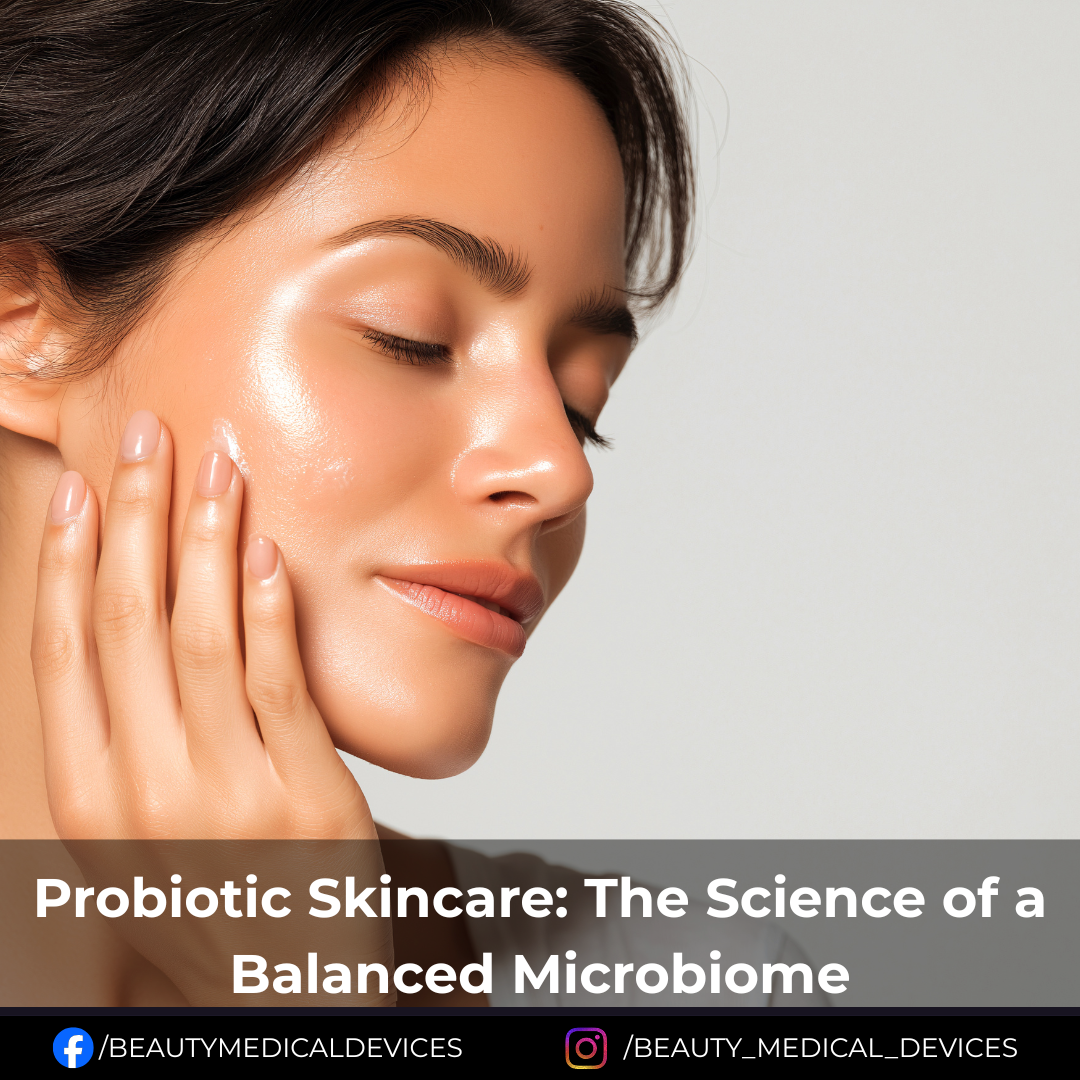
Probiotic skincare is a rapidly growing trend based on the idea of harnessing beneficial microorganisms to support the health and appearance of the skin.1 This approach centers on the skin microbiome, the delicate ecosystem of bacteria, fungi, and other microbes that live on your skin’s surface.2
What is Probiotic Skincare?
Just like the gut, your skin has a complex and unique microbiome.3 A balanced microbiome acts as a shield, helping to:4
Strengthen the skin barrier against environmental aggressors, pollutants, and pathogens.5
Maintain a healthy, slightly acidic pH (around 5.0), which inhibits the growth of harmful bacteria.6
Support the immune system and fend off infections.7
When this balance is disrupted—often by over-cleansing, harsh ingredients, pollution, or stress—harmful bacteria can dominate, leading to issues like acne, redness, sensitivity, and dryness.8
Probiotic skincare products are designed to help restore this delicate balance by introducing or supporting the growth of “good bacteria.”9
The “Biotics” Breakdown: Pro-, Pre-, and Post-
While the term “probiotic” is widely used, most skincare products actually utilize related ingredients due to the instability of live organisms in typical cosmetic formulas:10
| Term | What it is | How it Works in Skincare | Examples |
| Probiotics | Live beneficial microorganisms. | Help balance the microbiome by fighting off “bad” bacteria. Note: Products with live probiotics are rare due to the need for preservatives, which kill bacteria. | Lactobacillus, Bifidobacterium (in select, specialty formulations). |
| Prebiotics | Non-living compounds that act as food for beneficial bacteria. | Nurture and stimulate the growth of the beneficial microbes already on your skin. | Xylitol, Rhamnose, Oligosaccharides, Inulin. |
| Postbiotics | Byproducts of bacterial fermentation, such as cell fragments, enzymes, and organic acids. | Work similarly to probiotics by strengthening the skin barrier, reducing inflammation, and producing beneficial substances. | Bifida Ferment Lysate, Lactobacillus Ferment Lysate, Hyaluronic Acid, Ceramides, Peptides. |
The most effective skincare often combines prebiotics, probiotics (or their derivatives), and postbiotics for a synergistic effect.
✨ Key Benefits of Probiotic Skincare
Probiotic and microbiome-friendly ingredients offer a wide range of benefits for many skin types:11
Reduced Inflammation and Redness: They can modulate the skin’s immune response, helping to soothe symptoms of conditions like acne, eczema, and rosacea.12
Stronger Skin Barrier: They support the production of essential lipids, like ceramides, which helps the skin retain moisture and protect against irritants.13
Improved Hydration: By strengthening the barrier and potentially increasing ceramide production, the skin is better able to lock in moisture, leading to a plumper, smoother appearance.14
Acne Management: Certain strains can help reduce the amount of C. acnes (acne-causing bacteria) and regulate sebum production.15
Anti-Aging Effects: By reducing oxidative stress and damage from environmental stressors (like UV light and pollution), they can help diminish the visible signs of aging.16
📝 Tips for Incorporating Probiotic Skincare
Choose Leave-On Products: Serums, moisturizers, and masks allow the beneficial ingredients more time to interact with your skin’s microbiome, making them generally more effective than cleansers.
Look for “Biotics” Together: Seek out formulas that contain a combination of prebiotics and probiotic/postbiotic ingredients for the best results.17
Be Mindful of Other Ingredients:
Avoid using strong exfoliants (high concentrations of AHAs/BHAs) or Benzoyl Peroxide simultaneously with your probiotic products, as these can potentially deactivate the beneficial ingredients.18 Apply them at different times of the day (e.g., acid in the morning, probiotic at night) or on alternating days.
Pair them with gentle, fragrance-free cleansers to maintain a healthy pH and not strip the skin.19
Read also: Adaptogens: Nature’s Stress Managers