


As a dermatologist, my practice revolves around the pursuit of healthy and radiant skin. In this quest, monitoring and maintaining optimal skin hydration is a fundamental aspect. With the continuous evolution of skincare, the demand for accurate methods to measure skin hydration has surged. Thankfully, advancements in technology have given rise to innovative skin hydration measurement devices that provide precise insights, allowing for more informed and tailored skincare recommendations.
The Crucial Role of Skin Hydration:
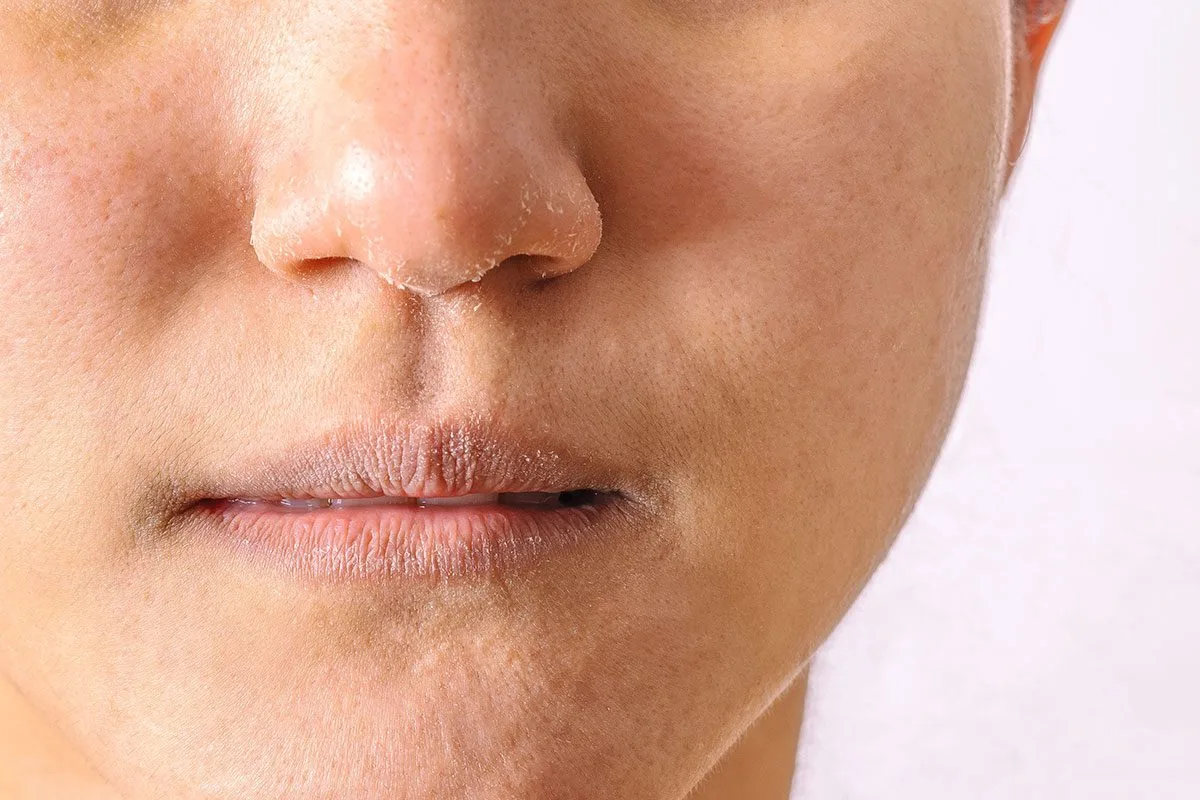
Skin hydration is not merely a cosmetic concern; it is a critical component of skin health. Our skin serves as a protective barrier against external stressors, and maintaining adequate hydration is paramount for its proper functioning. Dehydrated skin can manifest as dryness, flakiness, and increased susceptibility to various dermatological conditions.
Traditional Approaches vs. Technological Innovations:
Historically, dermatologists relied on subjective assessments and basic tools to down skin dehydration. However, the limitations of these methods spurred the development of advanced skin hydration measurement devices, employing technologies such as capacitance sensors, impedance spectroscopy, and corneometry.
Capacitance Sensors:
Capacitance sensors have become a cornerstone in skin hydration measurement. These devices leverage the fact that the skin’s dielectric constant changes with hydration levels. By accurately assessing the water content of the stratum corneum, capacitance sensors provide valuable data on the skin’s hydration status, informing treatment plans and product recommendations.

Impedance Spectroscopy:
The application of impedance spectroscopy involves introducing a small electrical current to the skin and analyzing its impedance response. This not only measures skin hydration but also offers insights into the skin’s barrier function and overall health. Dermatologists can utilize this comprehensive data to tailor treatments for conditions like eczema and psoriasis, where skin barrier integrity is paramount.
- Corneometry:
Corneometry, a well-established technique, involves placing a probe on the skin’s surface to assess its electrical conductivity. This real-time measurement is frequently employed in clinical studies, aiding in the understanding of various skin conditions and informing the development of targeted interventions.
Portable and Wearable Devices:
In recent years, the advent of portable and wearable skin hydration measurement devices has extended the reach of skincare assessment beyond the clinic. Dermatologists now have the opportunity to recommend user-friendly devices that empower individuals to monitor their skin’s hydration levels in the comfort of their homes.
Challenges and Future Directions:
While these devices represent a leap forward in skincare diagnostics, challenges persist. Factors such as skin type variability, environmental conditions, and device calibration can influence measurement accuracy. Dermatologists are actively engaged in ongoing research to refine these technologies, ensuring more consistent and reliable results.
Conclusion:
In the dynamic world of dermatology, advanced skin hydration measurement devices are invaluable tools that contribute to more accurate diagnostics and tailored treatment plans. From capacitance sensors to impedance spectroscopy, these technologies provide dermatologists with the precise data needed to address a wide spectrum of skin concerns. The integration of portable and wearable devices into daily skincare routines not only enhances patient engagement but also signifies a shift towards more accessible and individualized dermatological care.
To know more about Skincare Devices and Beauty’s latest updates, please Like and Follow our Facebook and Instagram accounts…