

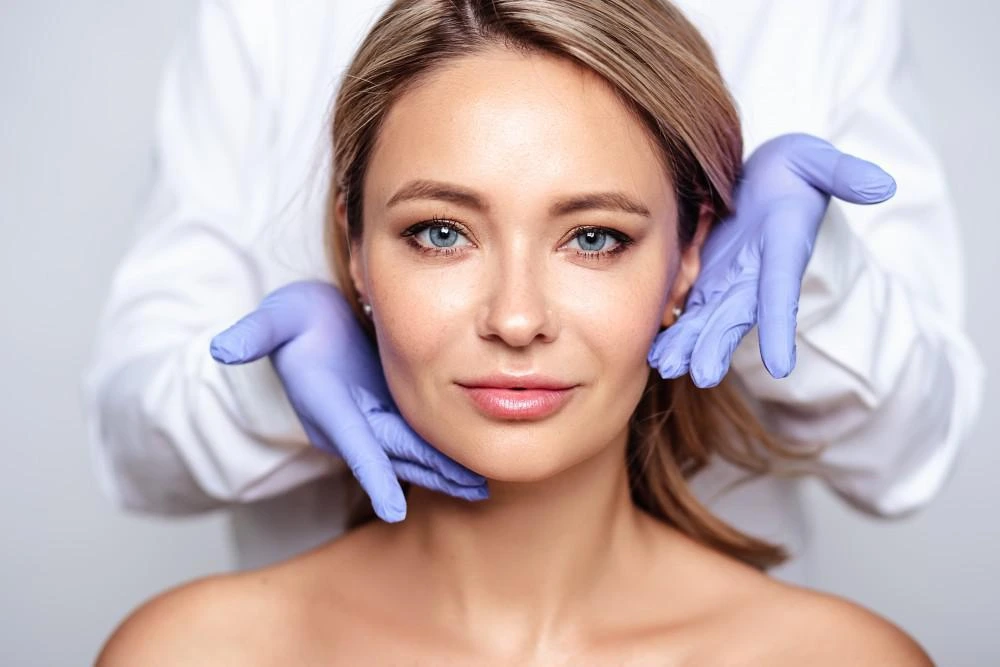
Ultherapy is a non-invasive medical treatment that uses ultrasound technology to lift and tighten skin on the face, neck, and chest. It is a popular option for those who are looking for a non-surgical alternative to facelifts and other more invasive procedures. In this article, we will discuss how Ultherapy works, what you can expect during the preparation and procedure, and the potential benefits and risks.
How Ultherapy Works:
Ultherapy uses focused ultrasound waves to stimulate collagen production in the skin. Collagen is a protein that is naturally found in the body and is responsible for maintaining the skin’s elasticity and firmness. As we age, our bodies produce less collagen, which can lead to sagging and wrinkles.
During the procedure, a trained medical professional will use a handheld device to deliver the ultrasound waves to the targeted area of the skin. The waves penetrate deep into the tissue, heating up the skin to a specific temperature that stimulates collagen production. This process is called neocollagenesis, which means the formation of new collagen.
The ultrasound waves also help to tighten existing collagen fibers, leading to an immediate improvement in skin firmness and elasticity. The results of Ultherapy can continue to improve for several months as the new collagen continues to form, leading to a more youthful and refreshed appearance.
Preparation for Ultherapy:
Before the procedure, you will have a consultation with a medical professional to determine if Ultherapy is the right treatment for you. They will examine your skin, discuss your medical history and any medications you are taking, and answer any questions you may have about the procedure.
There is no special preparation needed for Ultherapy, but it is recommended that you avoid taking aspirin, ibuprofen, or other blood-thinning medications for a week prior to the procedure. This is to reduce the risk of bruising or bleeding during the treatment.
Procedure:
During the Ultherapy procedure, you will be seated in a comfortable chair or lying down on a treatment table. The medical professional will apply a gel to your skin to help the ultrasound waves penetrate deep into the tissue.
The handheld device will then be placed on the targeted area of your skin, and the medical professional will use it to deliver the ultrasound waves. You may feel a slight tingling or warmth as the waves penetrate your skin, but the procedure is generally painless. If you do experience any discomfort, the medical professional can adjust the intensity of the ultrasound waves.

The length of the procedure will depend on the size of the treatment area, but most sessions last between 30 minutes to 1 hour. There is no downtime required after the procedure, and you can return to your normal activities immediately.
Benefits of Ultherapy:
The primary benefit of Ultherapy is the improvement in skin firmness and elasticity, leading to a more youthful and refreshed appearance. Unlike surgical procedures like facelifts, Ultherapy is non-invasive and does not require any incisions or sutures.
Ultherapy can also be used to target specific areas of the face and neck, such as the brow, chin, and décolletage. This allows for a more customized treatment plan that can address your specific concerns.
The results of Ultherapy are gradual and natural-looking, with most patients seeing improvement within 2-3 months after the procedure. The results can last for up to 2 years, depending on your individual skin condition and aging process.
Risks of Ultherapy:
Ultherapy is generally considered a safe procedure, but like any medical treatment, there are some risks involved. The most common side effects of Ultherapy include redness, swelling, and tenderness in the treated area. These symptoms usually resolve within a few days to a week after the procedure.
In rare cases, patients may experience more serious side effects, such as nerve damage or skin burns. These complications are extremely rare and are usually the result of improper technique or inexperienced practitioners. It is important to choose a qualified and experienced medical professional who has received proper training in Ultherapy.
In some cases, patients may not see the desired results from Ultherapy, or the results may not last as long as expected. This can occur if the patient’s skin condition or aging process continues to deteriorate after the treatment.
Overall, Ultherapy is a popular option for those who are looking to improve the firmness and elasticity of their skin without undergoing surgery. If you are interested in Ultherapy, be sure to do your research and choose a qualified and experienced medical professional to ensure the best possible results.
For more Skincare news and Beauty latest updates please Like and Follow our Facebook Page and Instagram account…
Read Also: Uncovering the Causes of Dark Knuckles and How to Treat Them