

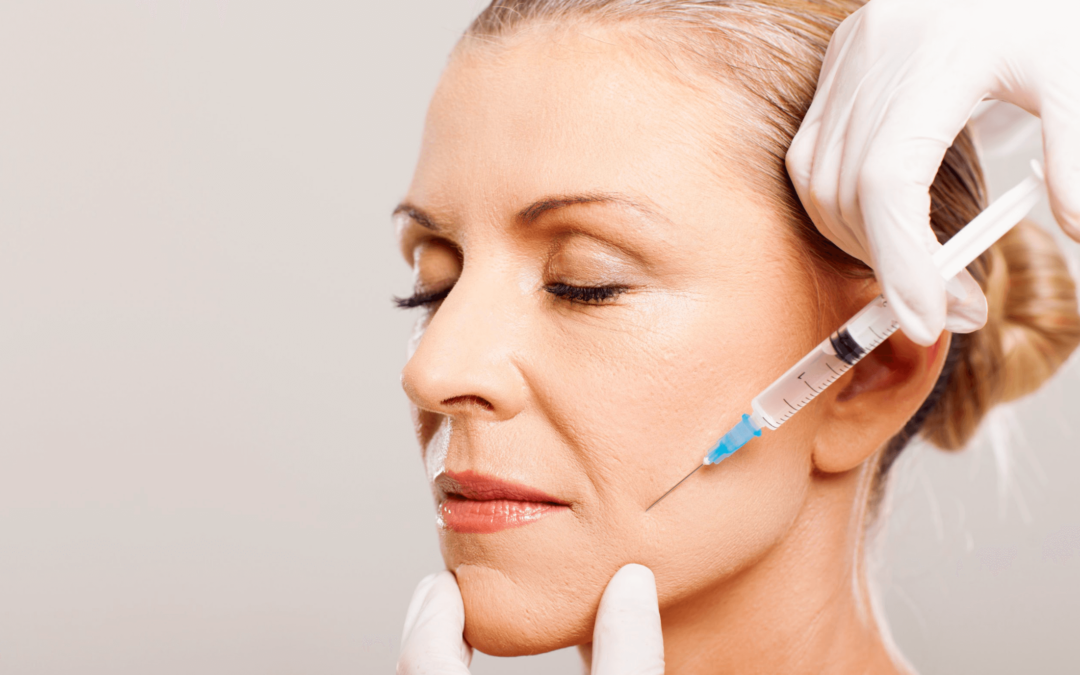
Facial injections, such as Botox and dermal fillers, have become popular treatments for rejuvenating and enhancing facial features. Safety and cleanliness during these procedures are paramount to minimize the risk of infection and ensure optimal results. In this article, we’ll discuss the importance of disinfection during facial injections and the steps healthcare providers take to maintain a sterile environment.
Why Disinfection Matters
Facial injections involve the introduction of needles or cannulas into the skin, creating potential entry points for bacteria and other pathogens. Proper disinfection is essential for the following reasons:
- Infection Prevention: Disinfection helps prevent infections, which can lead to complications and affect the outcome of the procedure.
- Patient Safety: Ensuring a sterile environment is crucial for patient safety, as infections can have serious consequences.
- Optimal Results: A clean and disinfected injection site helps achieve the best possible results, as the treatment can proceed without interruptions or complications.
Sterile Environment: The Key Steps
Healthcare providers adhere to strict protocols to maintain a sterile environment during facial injections:
- Hand Hygiene: The provider begins by thoroughly washing their hands and using hand sanitizer. Gloves are worn throughout the procedure to prevent contamination.
- Patient Preparation: The patient’s face is cleansed with a mild, disinfectant solution to remove makeup, oils, and dirt. This step helps minimize the risk of introducing contaminants into the injection sites.
- Use of Disinfectants: The provider uses medical-grade disinfectants to clean the areas where injections will be administered. These disinfectants are specifically designed for use on the skin and are effective in eliminating bacteria and viruses.
- Sterile Instruments: Needles, syringes, cannulas, and other instruments used for facial injections are single-use and disposable. They are opened in front of the patient to ensure sterility.
- Proper Technique: Providers are trained in precise injection techniques to minimize tissue damage and the risk of infection. The injection site is identified, and the needle or cannula is inserted with care.
- Post-Injection Care: After the procedure, the injection sites are cleaned again, and patients are provided with instructions for aftercare and any necessary medications, such as antibiotics.

:max_bytes(150000):strip_icc()/Stocksy_txp68b4489bc19300_Medium_34466021-66acafa932624d39861d96e113d726cd.jpg)

Patient Role in Disinfection
While healthcare providers are responsible for maintaining a sterile environment, patients can also contribute to the process:
- Honest Communication: Patients should provide accurate medical histories, including allergies and previous skin conditions, to help the provider make informed decisions.
- Follow Aftercare Instructions: Patients must follow post-injection care instructions diligently to minimize the risk of infection and optimize results.
Conclusion
Disinfection during facial injections is a critical aspect of the procedure to ensure patient safety and the effectiveness of the treatment. Healthcare providers adhere to strict protocols, including hand hygiene, instrument sterility, and the use of medical-grade disinfectants, to create a sterile environment. Patients also play a crucial role by providing accurate information and following post-injection care instructions. By prioritizing cleanliness and disinfection, individuals can confidently pursue facial injections to enhance their appearance with minimal risk.
For more Skincare news and Beauty latest updates please Like and Follow our Facebook Page and Instagram account…
Read Also: Folliculitis Unveiled: Understanding and Managing Skin Bumps