


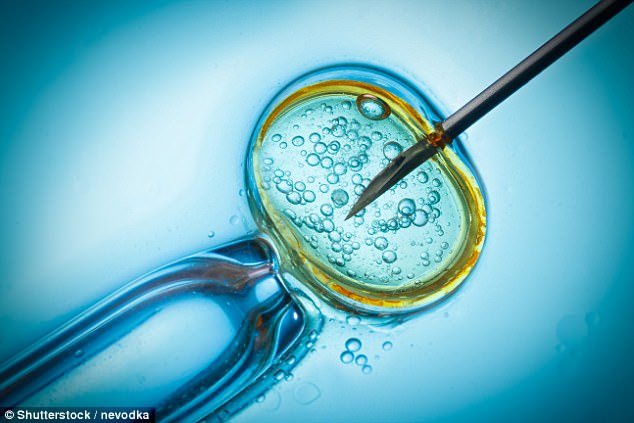
Preimplantation genetic diagnosis (PGD), also called genetic embryo screening, the testing of embryos produced through in vitro fertilization (IVF) for genetic defects, in which testing is carried out prior to the implantation of the fertilized egg within the uterus. Preimplantation genetic diagnosis (PGD) also may be performed on eggs prior to fertilization. PGD differs from prenatal genetic diagnosis, in which testing is carried out in utero. PGD is an important accessory to assisted reproductive technologies, since it can eliminate the risk of later elective pregnancy termination for reasons of debilitating inherited genetic disease.
There are multiple different genetic analyses used in PGD; examples include polymerase chain reaction (PCR), which can be used to determine the sex of the embryo and to detect single-gene disorders, and fluorescence in situ hybridization (FISH) and comparative genomic hybridization (CGH), which are used to detect chromosomal defects.
Applications Of PGD
PGD can be used for couples who have a family history of a single-gene disorder that places the fetus at high risk of inheriting that condition. Such single-gene disorders include those that are autosomal dominant (a mutation inherited from one parent causes disease), autosomal recessive (the same mutation inherited from both parents causes disease), X-linked dominant (a mutation on an X chromosome from only one parent causes disease), X-linked recessive (the same mutation on the X chromosome from both parents causes disease), Y-linked (the mutation is inherited on the Y chromosome from the father), and mitochondrial disorders (the mutation occurs in mitochondrial DNA and is inherited from the mother).
Read full story on britannica.com
Also read: Fibromyalgia Diagnosis