


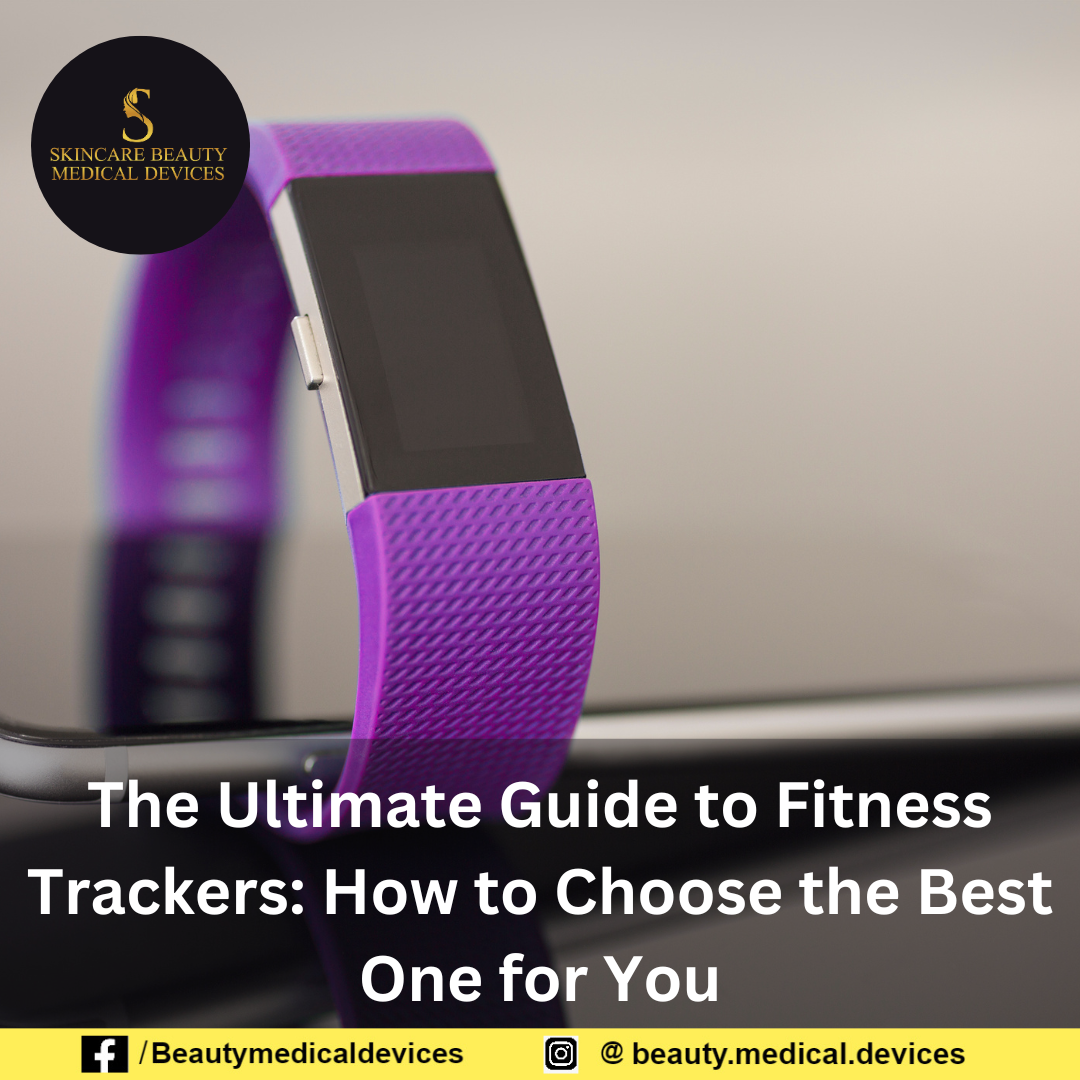
In today’s fast-paced world, fitness trackers have become essential tools for anyone looking to improve their health, track workouts, or achieve specific fitness goals. These devices can monitor everything from steps taken to heart rate, sleep quality, and even your stress levels. But with so many options on the market, it can be overwhelming to choose the right one for your needs. This guide breaks down the key features, benefits, and considerations when picking a fitness tracker.
1. What Is a Fitness Tracker?
A fitness tracker is a wearable device designed to help you track physical activity and overall health. Most fitness trackers monitor steps, calories burned, distance traveled, and heart rate. More advanced models can analyze sleep patterns, monitor stress, and even track specific types of exercises like swimming, cycling, or running.
2. Key Features of Fitness Trackers
- Step Counting: The most basic function, which tracks how many steps you take throughout the day.
- Heart Rate Monitoring: Useful for tracking your resting heart rate and heart rate during workouts. Some trackers also provide heart rate zone alerts.
- Sleep Tracking: Monitors your sleep cycles, including light, deep, and REM sleep phases.
- GPS Tracking: Essential for runners and cyclists, GPS tracks your routes and distances without needing your phone.
- Calorie Tracking: Estimates how many calories you’ve burned based on your activity level and personal data.
- Water Resistance: Important if you plan to swim with your tracker or use it in the rain.
- Connectivity: Syncs with smartphone apps to analyze data over time, track progress, and set goals. Some trackers also have social features to share workouts or compete with friends.
- Notifications: Many fitness trackers can receive notifications from your phone, such as texts, calls, or calendar alerts.
3. Benefits of Using a Fitness Tracker
- Accountability: Fitness trackers keep you mindful of your daily activity, making it easier to stay consistent with your goals.
- Motivation: The ability to set daily step goals or exercise targets can motivate you to stay active.
- Health Insights: By tracking data over time, you can gain insights into your health, such as resting heart rate trends, sleep quality, or recovery times.
- Sleep Improvement: Many people are unaware of how well they sleep. A fitness tracker can highlight disruptions and help you make adjustments to improve rest.
- Custom Workouts: Advanced trackers allow you to log specific workouts and get feedback based on your heart rate and performance.
4. Choosing the Right Fitness Tracker for You
- Basic Fitness Needs: If your primary focus is counting steps or tracking calories, a basic tracker with a step counter, heart rate monitor, and sleep tracking might be enough.
- Workout Enthusiasts: If you’re serious about fitness and want to monitor specific workouts, go for a tracker with built-in GPS, multi-sport tracking, and VO2 max measurements.
- Health-Focused: For users looking to improve overall wellness, sleep tracking, stress monitoring, and even blood oxygen levels (SpO2) should be key considerations.
- Smartwatch Features: If you want your fitness tracker to double as a smartwatch, look for one that includes notifications, music control, and even payment capabilities.
5. Top Fitness Trackers on the Market
- Fitbit Charge 5: A great all-around fitness tracker with built-in GPS, heart rate monitoring, and sleep tracking. It also has stress management tools and supports Fitbit Pay.
- Apple Watch Series 9: Though technically a smartwatch, the Apple Watch is one of the best for fitness tracking, especially for iPhone users. It offers comprehensive fitness features, including ECG, blood oxygen monitoring, and fall detection.
- Garmin Vivosmart 5: Ideal for serious athletes or outdoor enthusiasts, Garmin offers accurate GPS tracking, advanced fitness metrics, and detailed health monitoring features.
- Xiaomi Mi Band 7: A budget-friendly option that offers excellent tracking features, including heart rate, sleep, and basic workout tracking at an affordable price.
- Whoop Strap 4.0: This unique device focuses more on recovery than workouts. It doesn’t have a screen but provides detailed insights on recovery, strain, and sleep.
6. Important Considerations Before Buying
- Battery Life: Some trackers, especially those with GPS or a bright display, may need charging every day, while others last up to two weeks.
- Comfort and Style: You’ll likely wear your tracker daily, so choose one that’s comfortable and suits your style.
- Compatibility: Ensure the tracker works with your smartphone and any apps you use to manage your fitness goals.
- Price: Fitness trackers range from budget options under $50 to premium devices costing over $300. Consider your budget and the features you need.
7. How to Get the Most Out of Your Fitness Tracker
- Set Realistic Goals: Start with attainable goals based on your current fitness level. You can always increase them as you improve.
- Wear It Consistently: To get accurate data, wear your tracker daily and during workouts.
- Analyze Your Data: Take time to review your progress. Use the insights to tweak your fitness routine or identify areas where you can improve, such as sleep quality or active minutes.
- Use Built-In Workouts: Many fitness trackers come with built-in workouts or suggested routines. Use these to diversify your exercise routine and challenge yourself.
8. Final Thoughts
Fitness trackers are powerful tools that can help you improve your health, stay motivated, and reach your fitness goals. Whether you’re looking for a basic step counter or an advanced fitness companion, there’s a tracker out there to suit your needs. By understanding the features, benefits, and what to look for, you can find the perfect fitness tracker to keep you on the path to better health.
Read also: Ultrasonic Blackhead Remover: A Comprehensive Guide