

, flat)
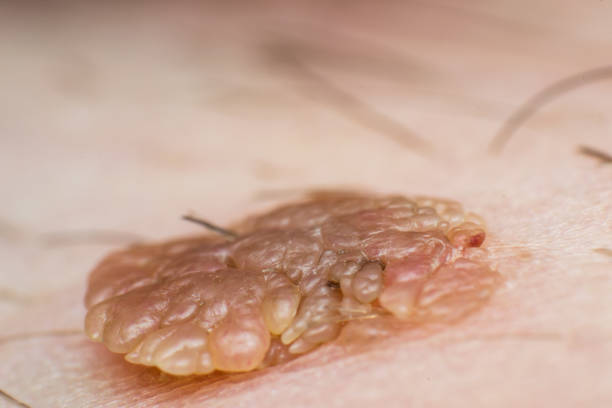
Papillomas are common skin growths that can appear on various parts of the body, causing confusion and concern for those who experience them. These benign tumors, often caused by the human papillomavirus (HPV), are generally harmless but can be bothersome or aesthetically displeasing. Let’s delve into the world of papillomas to gain a better understanding of what they are, how they develop, and the available options for managing them.
Papillomas come in different forms, such as common warts, plantar warts, flat warts, genital warts, and filiform warts. They are typically transmitted through direct contact with an infected individual or contaminated surfaces. Factors like a weakened immune system, skin injuries, or prolonged exposure to moisture can increase the risk of developing papillomas.
When it comes to identifying papillomas, they are often small, raised growths with a rough texture. They might resemble a cauliflower or appear as flat, smooth lesions. While these growths are usually painless, they can cause discomfort if located in areas prone to friction or pressure, like the feet.

If you find yourself dealing with papillomas, there are various management options available. Over-the-counter treatments containing salicylic acid can gradually break down the affected skin layers, helping the growth diminish over time. However, patience is key, as these treatments may require several weeks or months to show results.
For more persistent papillomas, professional interventions like cryotherapy or electrosurgery may be recommended. Cryotherapy involves freezing the growth with liquid nitrogen, causing it to eventually fall off. Electrosurgery, on the other hand, uses heat or laser energy to remove the papilloma. These procedures are typically performed by healthcare professionals in a medical setting.
Prescription medications, such as immune-modulating creams or gels, can also be prescribed to stimulate the immune response and aid in clearing the infection. Consulting a dermatologist or healthcare professional is essential to determine the most suitable treatment option for your specific case.
To prevent the spread and recurrence of papillomas, practicing good hygiene is crucial. Avoid direct contact with infected individuals or contaminated surfaces, and maintain a healthy immune system through a balanced diet, regular exercise, and sufficient rest.
While papillomas are generally harmless, it’s important to monitor any changes in size, shape, color, or associated symptoms. Seeking professional advice for proper diagnosis and management is recommended if you have concerns or experience discomfort.
Remember, papillomas are a common occurrence that can be managed effectively. With the right information and guidance, you can navigate this aspect of your skin health confidently. Stay informed, be proactive, and don’t let papillomas dampen your spirit or self-confidence.
For more Skincare news and Beauty latest updates please Like and Follow our Facebook Page and Instagram account…
Read Also: SkinPen Microneedling: The Innovative Solution to Combat Facial Acne Scars