



We all know that cleaning the face properly is one of the most important steps in a skincare routine. It will remove all the impurities that may cause problems like acne and prepare the face for the products that will be applied next. cleanser
In this context, many devices can be used to enhance the skin cleansing process, including the so-called Sonic Cleansers, which are basically a cleansing system that combines the power of infrared, red, and amber LED light therapy with sonic cleansing technology, making it a new innovative tool for the skin health.
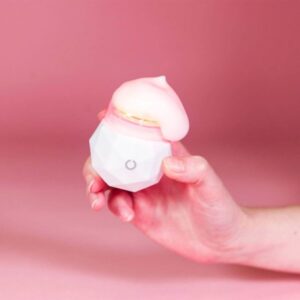
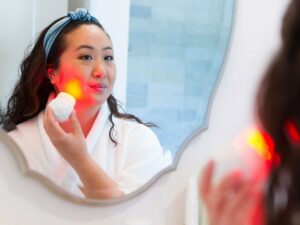
This device can come with different LED colors and shapes according to the desired results. For example, the Soniqué LED Sonic – Cleanser for Wrinkle Reduction & Anti-Aging comes with infrared, red, and amber lights. Light therapy with those colors stimulates the natural production of collagen and elastin to minimize smile lines, crow’s feet, brow lines, loss of firmness, and skin dullness and enhance skin tone, color, and texture. Also, the sonic vibrations work to massage the skin and open the pores for deep cleansing.
On the other hand, the same device but for acne treatment has non-UV Blue and red LED lights. This is a very interesting combination because the blue light destroys the acne-causing bacteria beneath the skin’s surface while the red light reduces inflammation and accelerates healing. It also has the power of sonic vibrations, just like the previously mentioned version.
Both versions have a mini option, and there are replaceable silicone heads for them to ensure a proper fit, the correct tension in the brush and massage nubs, and the best facial cleansing and massaging experience. The brand recommends replacing them within every 90 days.
Read also: The Real Effects Of Using An Electric Sonic Device
To know more about Skincare Devices and Beauty’s latest updates, please Like and Follow our Facebook and Instagram accounts…

About the Author: MSci Maísa Melo is a Pharmacist and a current PhD student in cosmetic technology, from São Paulo, Brazil. She has earned her master’s degree from the University of São Paulo and has been involved with the development, stability, safety and efficacy of cosmetics since 2013. She has specialized in the clinical efficacy of cosmetics by biophysical and skin imaging techniques as well as the use of alternative models to animal testing. Her research work has been published in several scientific journals and book chapters from the field.